BRS Vitória
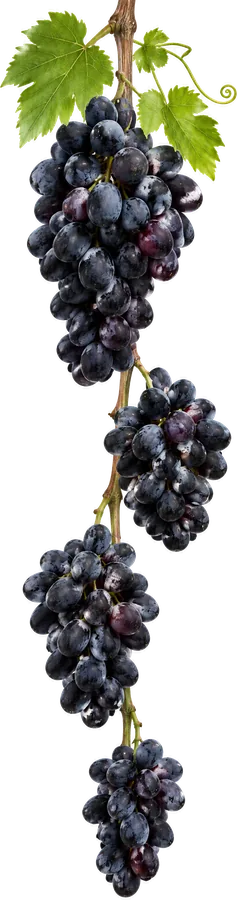
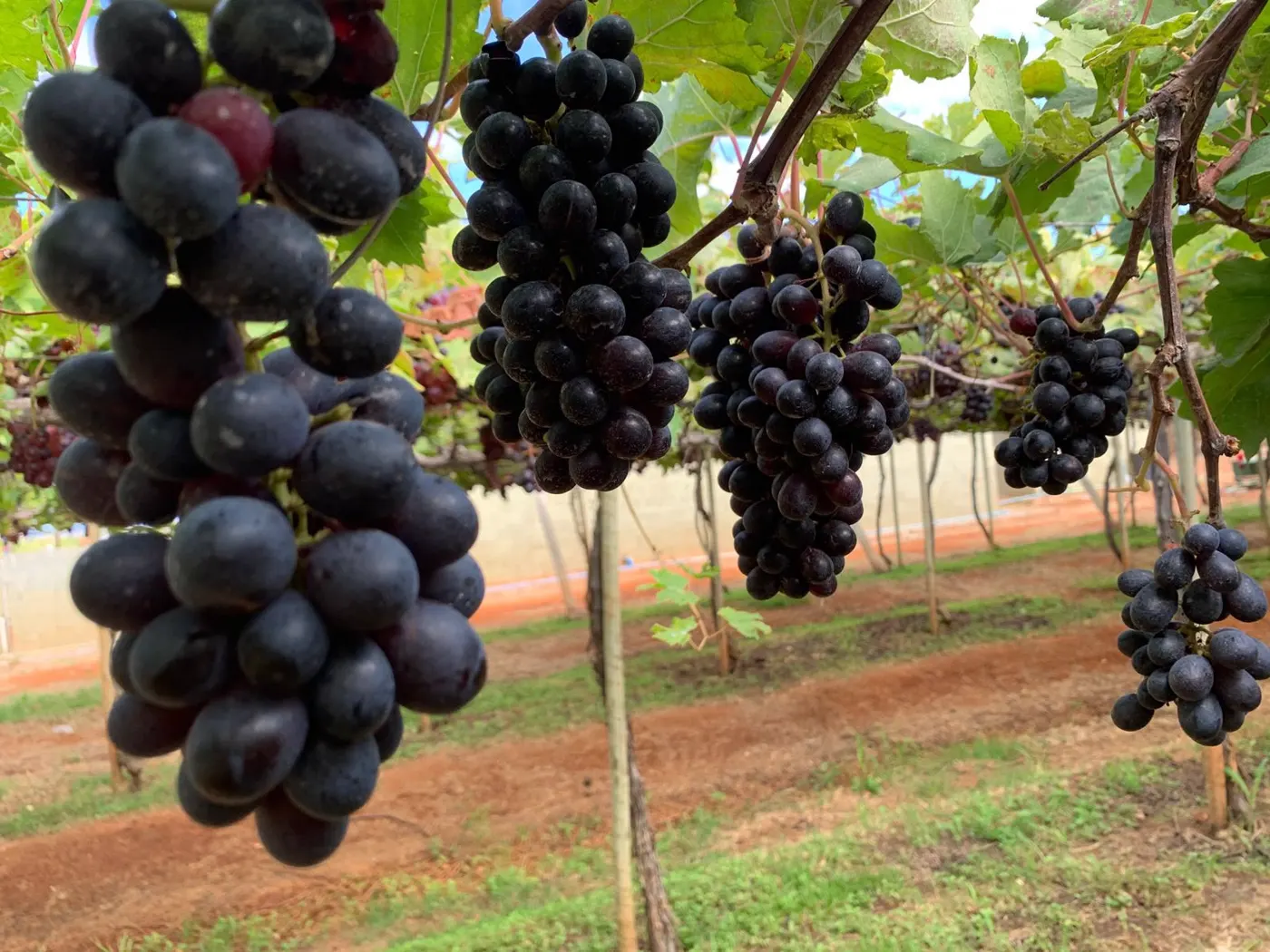
A black, seedless table grape bred by Embrapa, grown here under organic certification.
In the field and on the table
- Flavour and texture. Crisp flesh, thin to medium skin and high sugar: above 19 °Brix and able to pass 23 °Brix, with notes reminiscent of raspberry.
- Seedless. An apyrenic variety, easy to eat straight from the bunch and to use in the kitchen.
- Strong in the field. High tolerance to downy mildew, the vine's main disease, and good resistance to berry cracking in rain, so it can be grown with fewer treatments; here, organic inputs only.
Nutrition and benefits
- Antioxidant. The dark skin is rich in phenolic compounds, anthocyanins and resveratrol, which help fight free radicals and reduce inflammation.
- Heart and circulation. Its polyphenols and potassium help control blood pressure, lower LDL cholesterol and protect blood vessels.
- Vitamins and minerals. Vitamins C, A, K and B-complex, plus potassium, calcium, iron and magnesium.
- Fibre and energy. Fibre that aids digestion and natural, quickly absorbed sugars: about 60 to 83 kcal per 100 g.
Sources: Embrapa (BRS Vitória cultivar sheet, Embrapa Grape and Wine). Nutrition: general values for dark-skinned grapes.
Vitória grapes with 4 certifications. Organic. Demand greater than supply.
Production for sale. A business with high profit potential.
Juazeiro, Bahia
Harvest Northern main harvest (approx.) Today
The calendar is one more asset.
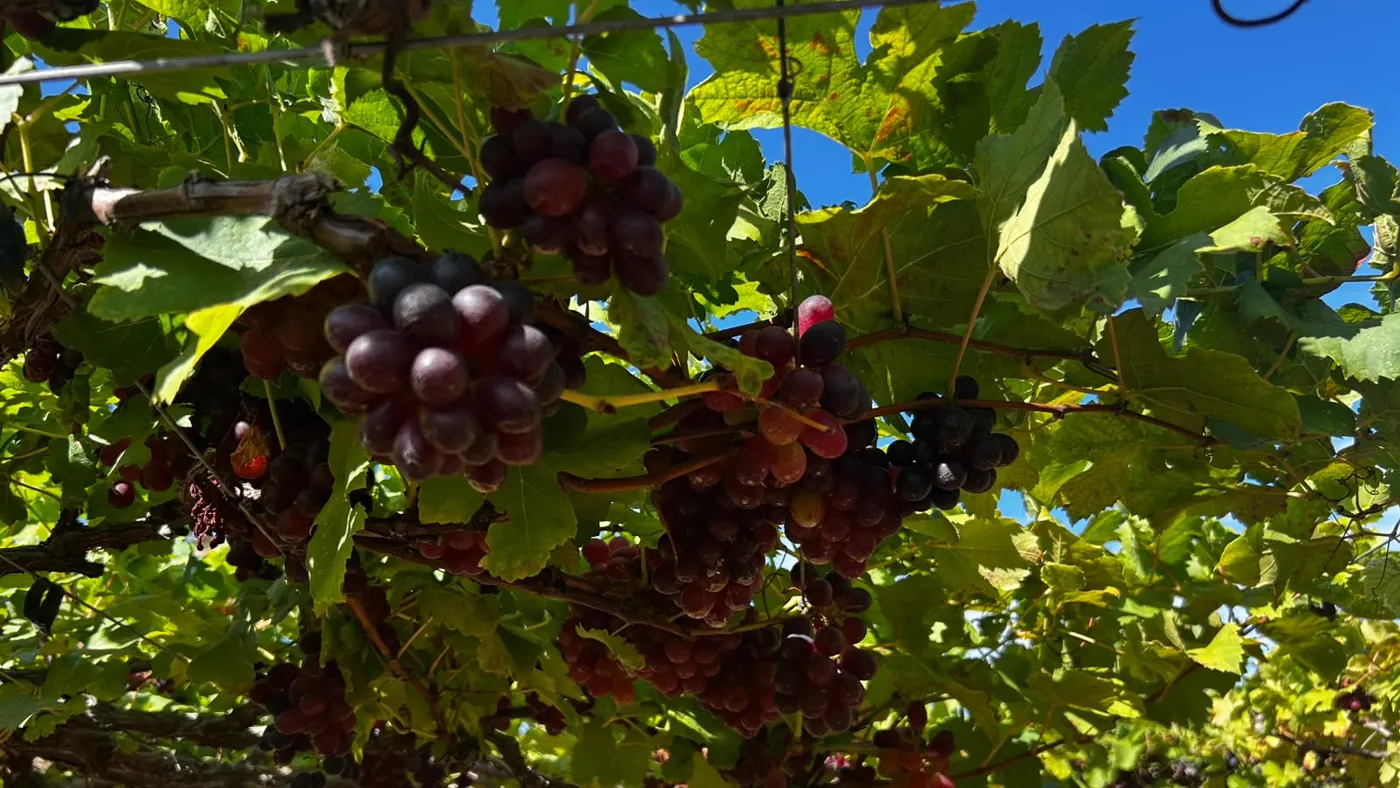
At latitude 9° S, with about 3,000 hours of sun a year, the vines never stop for winter. Each block of vines is ready about 100 days after pruning, and the pruning is staggered month by month across the vineyard, so there are grapes to pick every month of the year: 12 harvests a year, including the months when Europe, North America and China have little fruit of their own.
Drag the marker along the year, or use the arrow keys, to see what each block is doing on that day.
Harvest Growing, about 100 days Pruning Northern main harvest (approx.)
Illustration: four blocks, each pruned one month after the previous one. Northern season shown as an approximate July–October band.
- 12
- harvests a year, one every month
- ~3,000 h
- of sun a year
- ~100
- days from pruning to harvest, with pruning staggered month by month
- 9° S
- latitude, 26–27 °C on average, low humidity
R$ 1 million a year, from just 3.2 hectares.
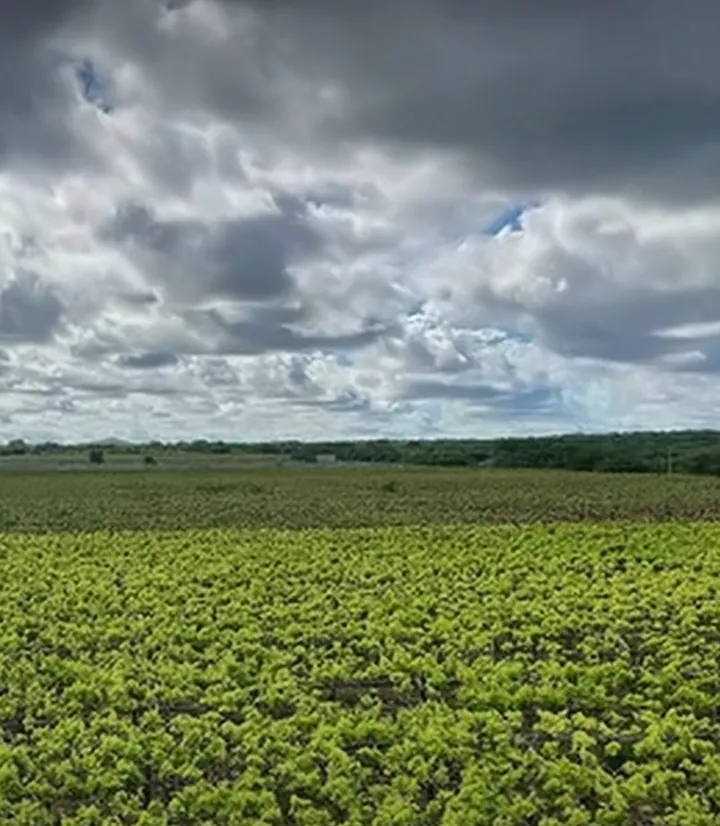
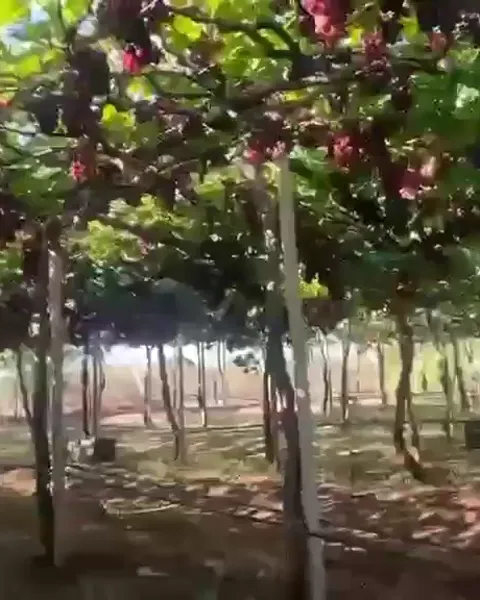
About R$ 1 million in annual revenue (owner's figures, audited data in the data room) comes from only 3.2 ha of certified organic BRS Vitória, a seedless grape with a muscat flavour.
The whole crop is bought in Brazil, and distributors collect the grapes at the farm. There is demand to grow, in Brazil and abroad: the organic certifications allow the grapes to be sold as organic in the United States and Europe. The rest of the land is ready for it.
- R$ 1M
- a year, from 3.2 ha of BRS Vitória
- ~8 ha
- to grow into: 1 ha with trellis and irrigation ready for replanting, about 7 ha certified and irrigated
- 9 + 21
- permanent staff and seasonal workers, agronomist in charge
- 4 ha
- of organic Tahiti lime in production
Certified for Brazil, the United States, Canada and Europe.
The buyer steps into a working certified operation instead of a three-year organic conversion.
Brazil
Organic Brazil (Law 10.831/2003), certified by IBD/QIMA since May 2024 for BRS Vitória grapes and Tahiti lime.
United States and Canada
USDA Organic (NOP), including the US–Canada organic equivalence arrangement.
European Union
Tariff-free since 1 May 2026 under the Mercosur–EU agreement. By sea, about one week closer than South Africa and two weeks closer than Chile or Peru.
China
Open to table grapes from Bahia since November 2024.
A farm that works with nature, and has the papers to prove it.
108 t
of carbon per hectare to 1 m depth, measured in this farm's soil.
Two peer-reviewed papers in the Journal of Environmental Management (Elsevier, 2024 and 2025) also found higher microbial activity and better soil structure than in conventional vineyards nearby.
Fracetto et al., Journal of Environmental Management 370 (2024) 122993
Biofactory
Since 2023 the farm makes its own inputs: cassava broth, fish amino acids, Bokashi®, neem and garlic oils.
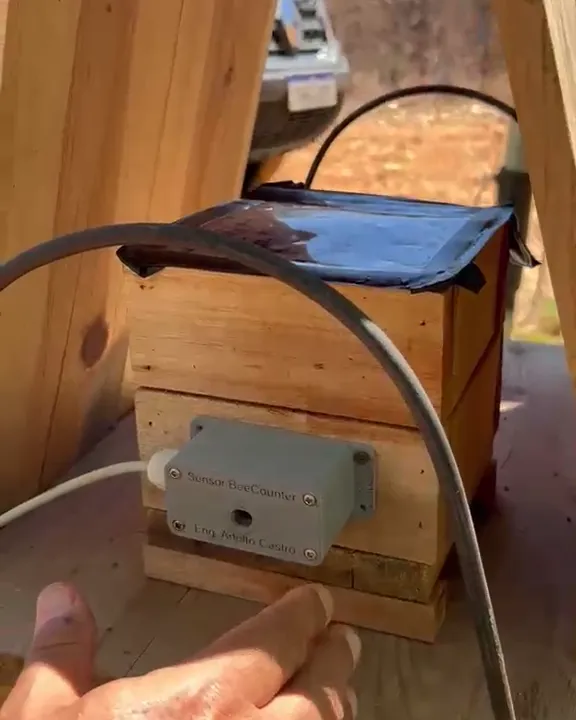
Native stingless bees
Colonies pollinate the vines and make honey, a product line of its own. A solar-powered sensor logs every entry and exit.
A live research site
Partnerships with three universities. Between 100 and 150 agronomy students visit every month.
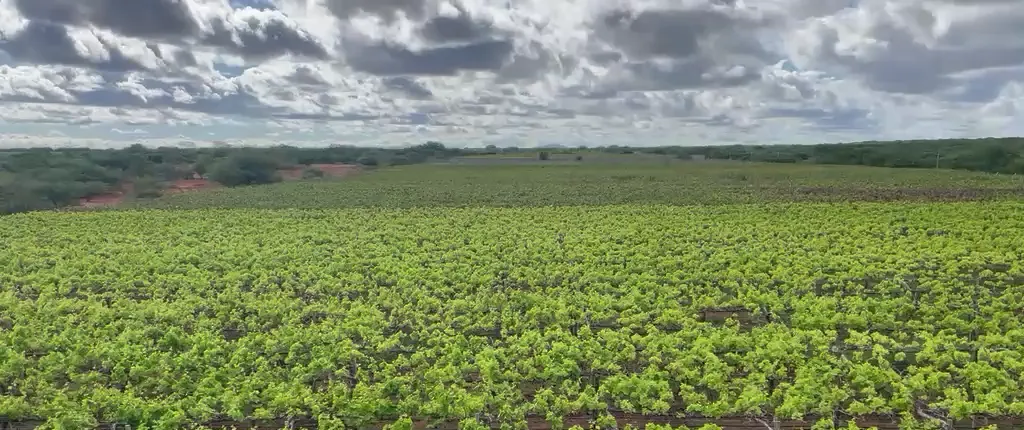
Water, land and sun to grow into.
- 8,000 L/min
- artesian well, drilled and not yet in use. Irrigation today comes from the Salitre River, under a water-use permit.
- ~8 ha
- to plant inside the certified, irrigated perimeter, plus neighbouring land for sale (owner's information).
- ~3,000 h
- of sun a year: a natural site for solar panels over the rows.
- 25 km
- to Petrolina international airport. 506 km to Salvador, 716 km to Recife.
The farm's name and exact location are shared only with qualified investors after a formal expression of interest.
Ask for the price.
The asking price goes to qualified investors. Send your details and it appears here right away. Andrea will follow up with the NDA and the data room.
- Presentation call with the management
- Live virtual tour of the farm
- On-site visit and due diligence
Foreign individuals and companies can acquire rural land in Brazil under Law 5.709/1971, with conditions that depend on the buyer's structure. Attorney Ricardo Cerqueira Leite guides each buyer through due diligence and closing. Financing available, subject to guarantees.
Asking price
Land, plantations, buildings, irrigation, biofactory, machinery and operating structure.